
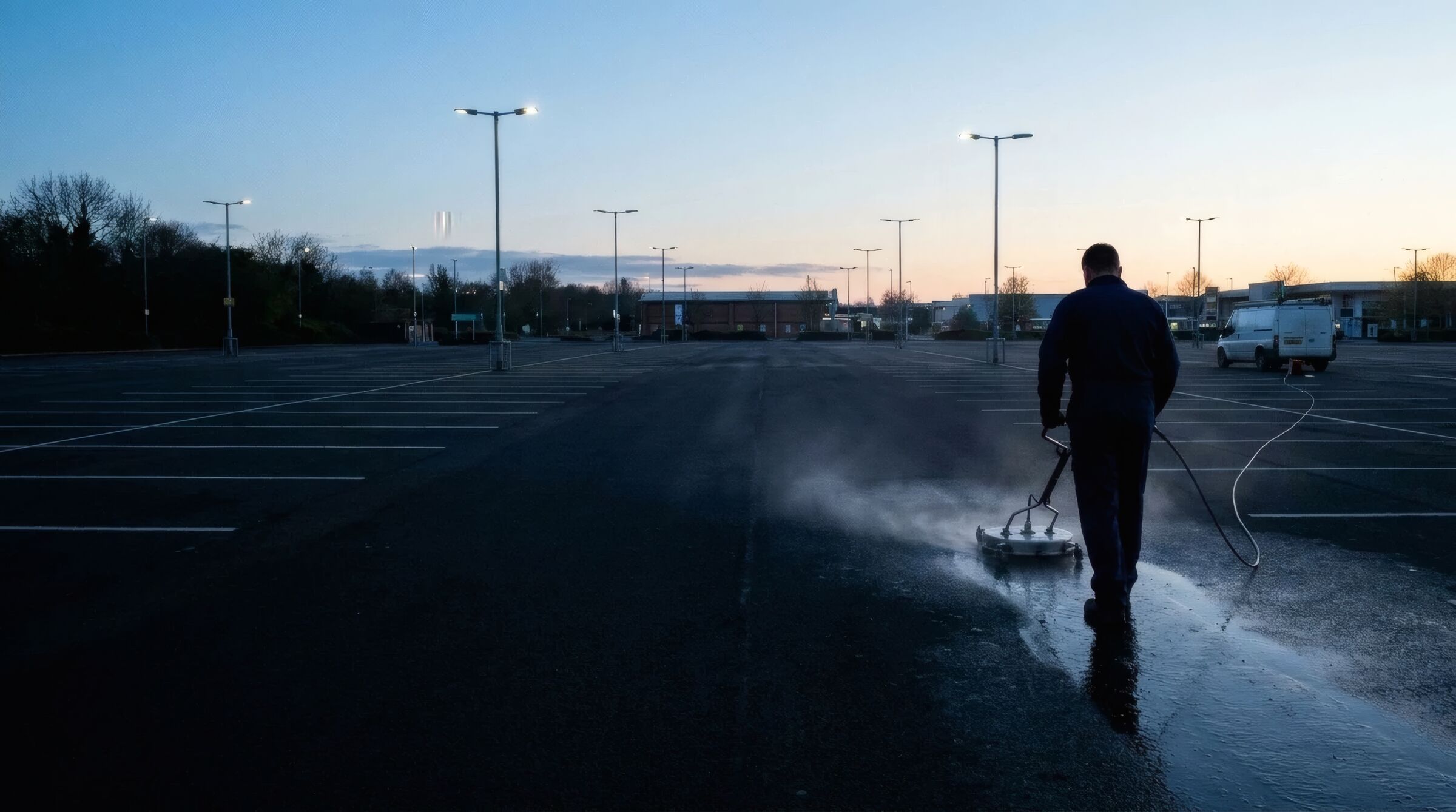
Oil and fuel removal, re-sanding
Car park and block paving cleaning
We clean car parks, block paving, service yards and walkways, treat oil and fuel stains, and re-sand block paving joints afterwards so the surface stays firm.
What we do
Clean, treated and re-sanded
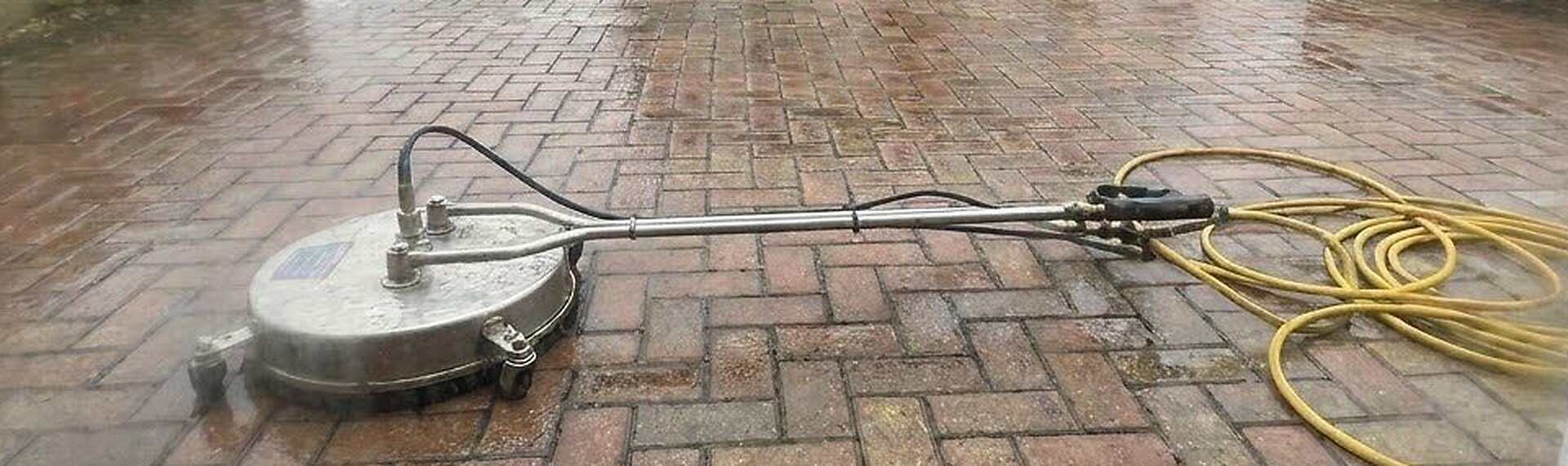
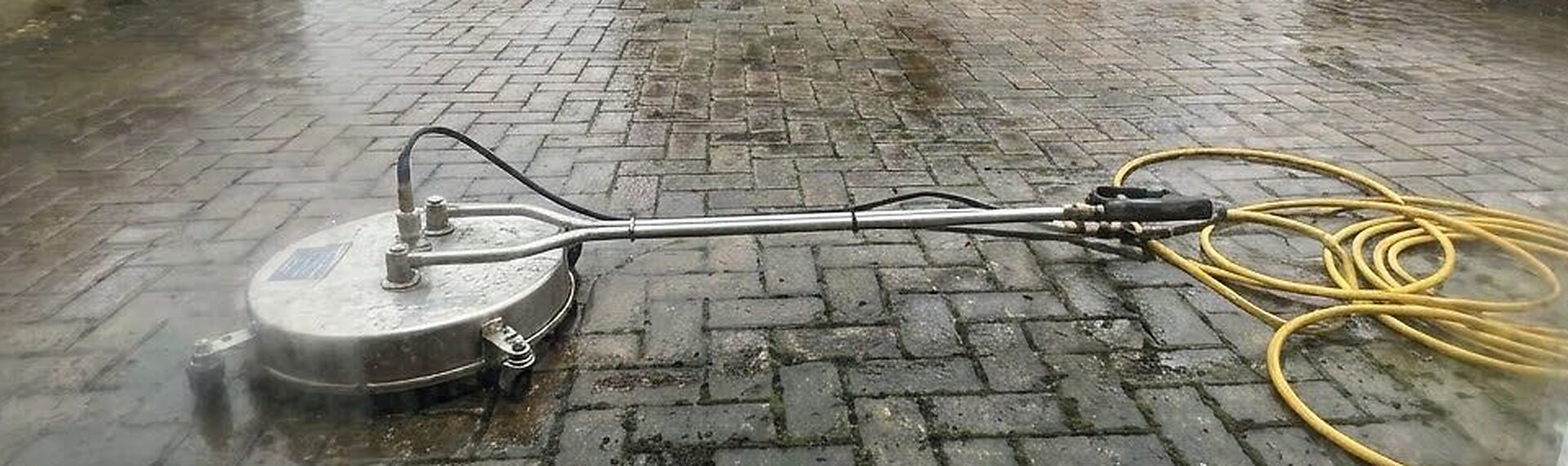
A rotary surface cleaner cleans the paving under a hood, which controls the spray and gives an even finish without stripes.
Oil and fuel stains are treated separately. Fresh spills often come out fully. Old stains that have soaked into the surface usually fade a lot but may not disappear, and we tell you that before you book.
Cleaning washes sand out of block paving joints, so we re-sand with kiln-dried sand afterwards. That keeps the blocks locked together and slows weed growth.
- Weeds and moss taken out of the joints
- Kiln-dried sand brushed back into the joints
- Wash water kept out of surface drains
How it works
How does a job run?
The same four steps on every site.
- 1
Tell us about the site
Use the quote form: the site, the work and any time limits. Photos and plans help.
- 2
We price it
From a site visit or your photos and plans. You get a written price for the agreed scope.
- 3
We plan and send RAMS
Dates set around your trading hours, with the risk assessment and method statement for your site.
- 4
Work done, then reported
A vetted team does the work and you get a report with before and after photos.
Questions managers ask
Car park and block paving cleaning: questions answered
Price, timing, disruption, multi-site work, proof and insurance.
How much does car park cleaning cost?
The main price drivers are the area in square metres, the surface (tarmac, concrete or block paving), how many oil stains need treating, whether block paving needs re-sanding, and whether the work has to be done at night. We price from a site visit or a plan with measurements.
How long does it take?
It depends on the size and the surface. We split larger car parks into zones and tell you how many shifts each zone takes, so you can plan bay closures in advance.
Do we have to close the car park?
No. We work bay by bay or zone by zone and cone off only the area we are working in. Very busy sites are usually done overnight or early on a Sunday.
Can you remove oil and fuel stains?
Yes, we treat them as a separate step. Fresh spills often come out fully. Old stains that have soaked in usually fade but may not go completely, and we say so before you book rather than after.
Why does block paving need re-sanding?
The sand in the joints holds the blocks in place. Cleaning washes some of it out, and weeds take the rest. Brushing kiln-dried sand back in keeps the paving firm and makes it harder for weeds to return.
Where does the dirty water go?
Wash water must not run into surface water drains, which often lead straight to rivers and streams. We plan how the water is collected or directed before work starts, and it is written into the method statement.
How do we know it was done?
You get a report after each visit with before and after photos, the zones completed, stains treated and anything left to finish, with a return date.
Can you clean car parks across a whole estate?
Yes. We price each car park separately and group them by region, so a retail estate or a council’s car parks can run as one programme with a report for every site.
Are you insured for this work?
Yes, with £5m public liability cover. We send our insurance certificates with your quote. Every subcontractor on your site must show us their own insurance before they start.
Who we work for
Who books this?
Shopping centres
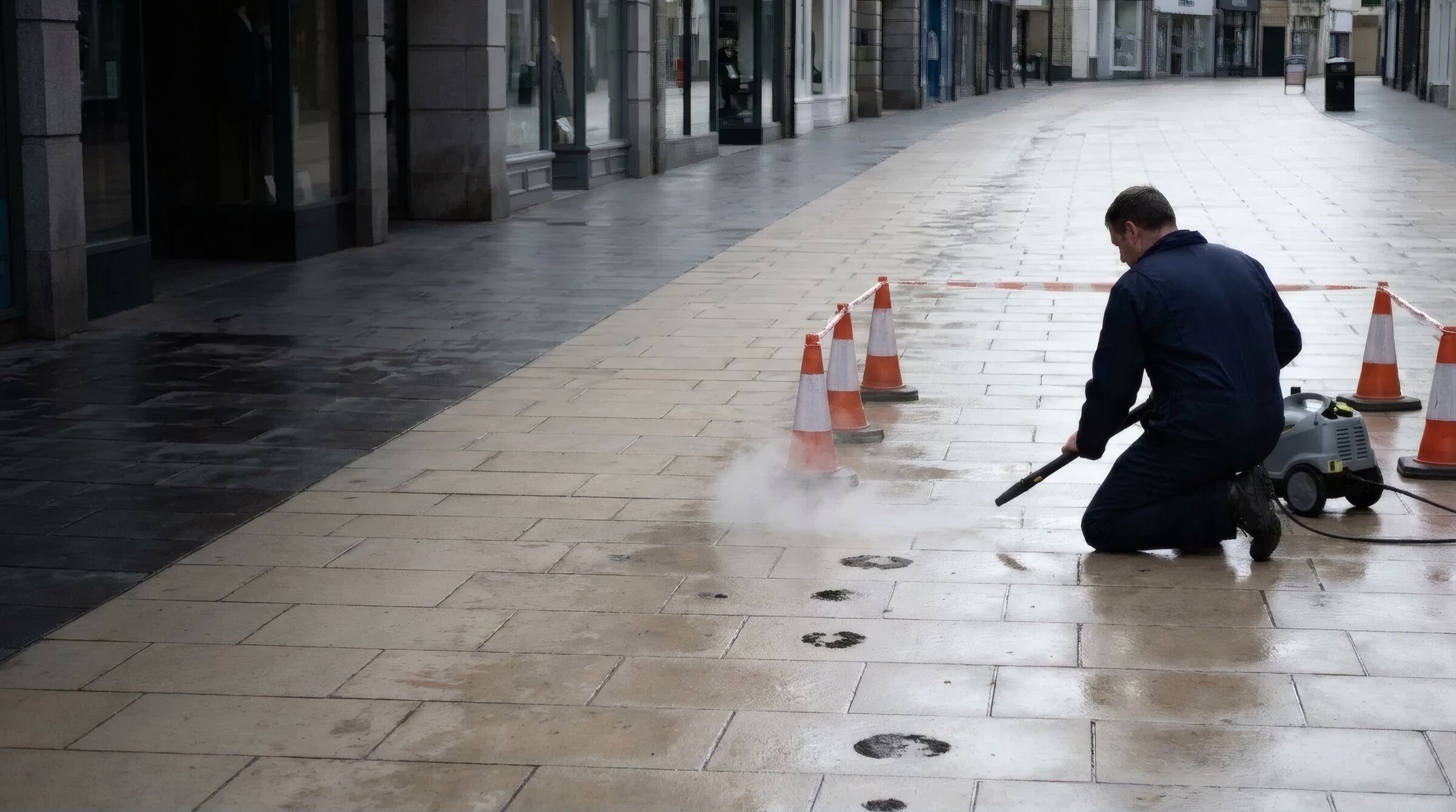
Gum, malls, car parks, cladding and glazing, done around trading hours.
Retail parks
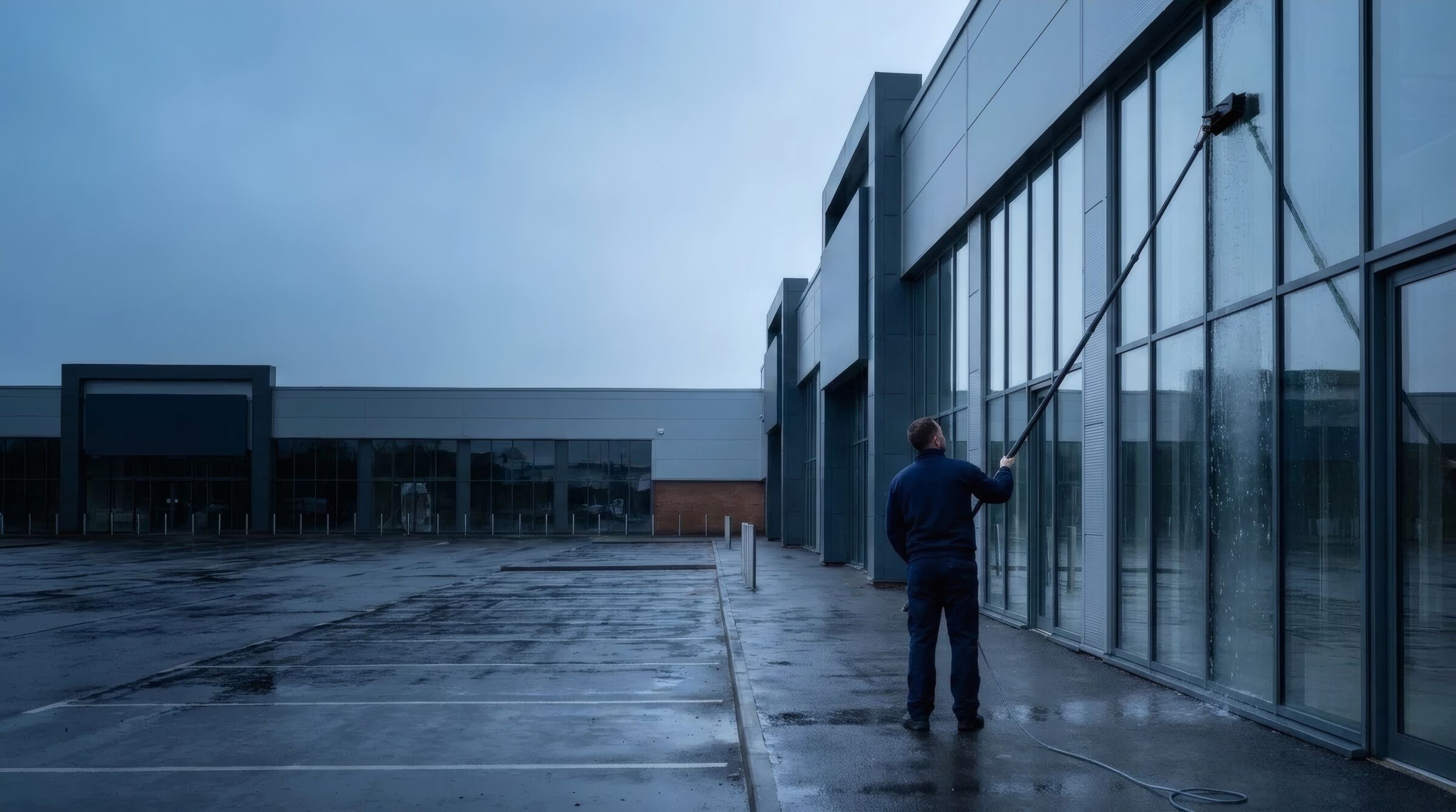
Car parks, shopfronts, cladding, gutters and graffiti across the whole park.
Councils
Town centres, car parks and public buildings: gum, graffiti, paving and gutters.
FM companies
A specialist subcontractor for exterior work, reporting to you site by site.
Multi-site retailers
One programme across every store, planned by region, reported store by store.
Managing agents
One contractor for the outside of every building in your portfolio.
Schools and academy trusts
Gutters, roofs, glazing and paving cleaned in the holidays or after hours.
Services
Other services
-
Chewing gum removal
Gum lifted from paving, entrances and malls with low-pressure steam, without marking the surface.
-
Cladding cleaning
Metal, composite and uPVC cladding, render and facades cleaned with a method matched to the material.
-
Gutter clearance and repairs
Gutters, outlets and downpipes cleared, minor repairs done on the first visit, defects reported.
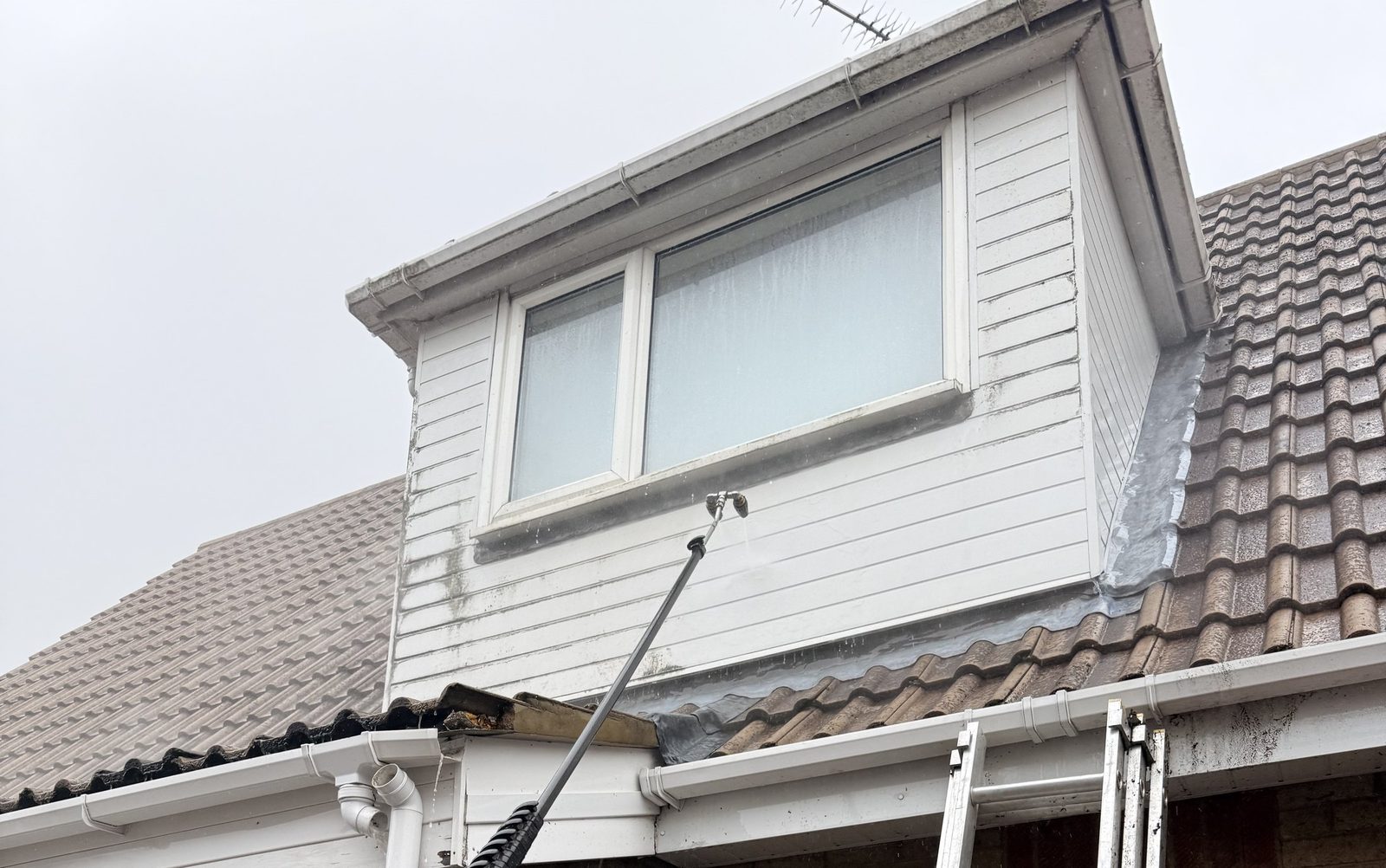
Commercial window cleaning
Shopfronts, offices and high-level glass cleaned on a schedule, from the ground with pure water where possible.
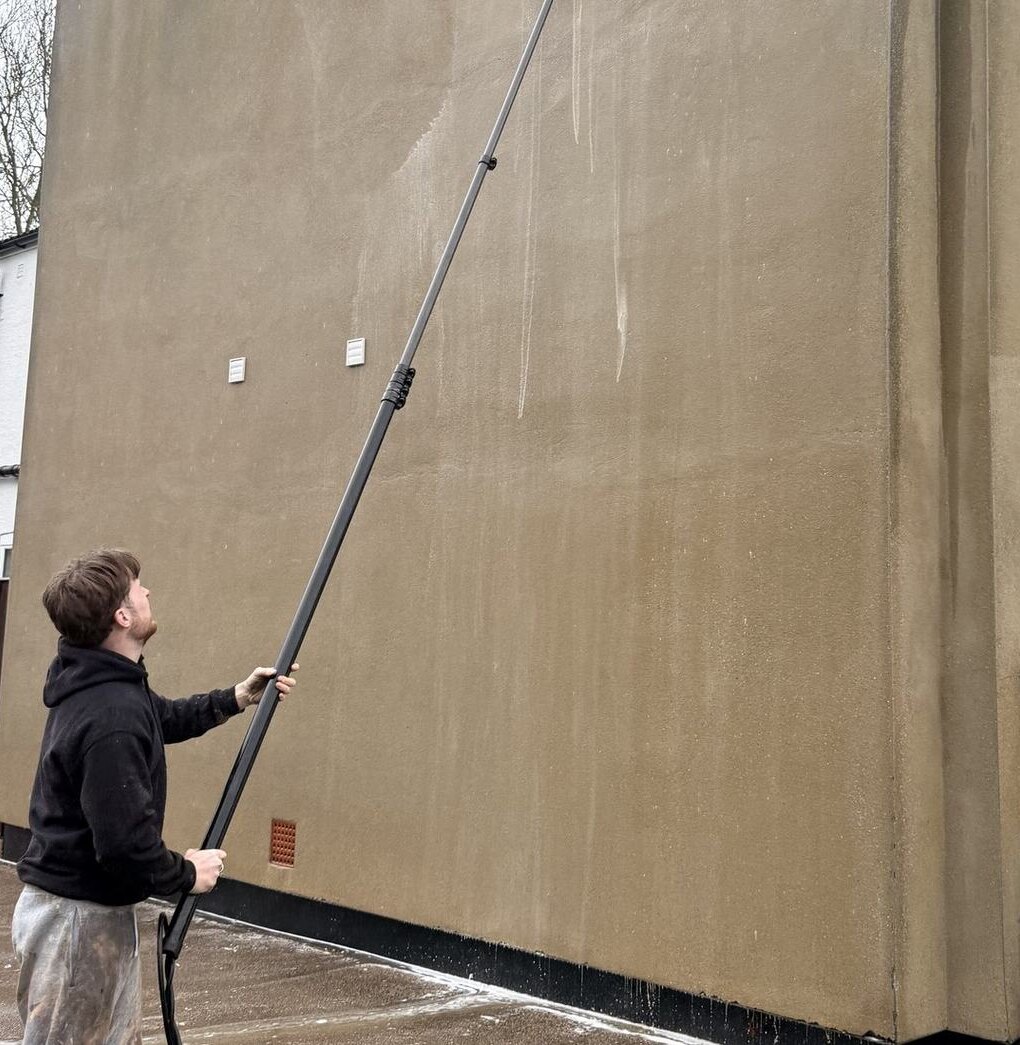
Graffiti removal
Graffiti removed from brick, stone, render, metal and glass, with anti-graffiti coatings on request.
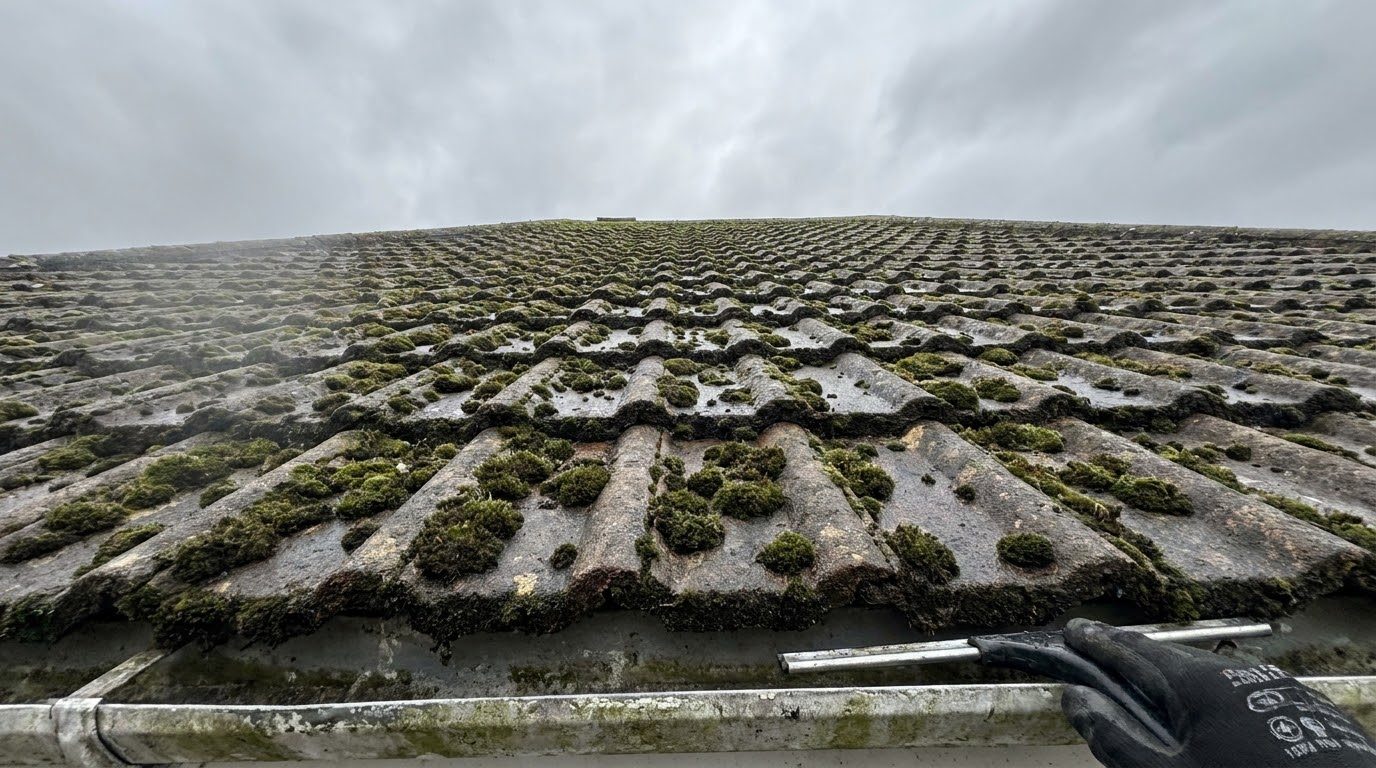
Roof and solar panel cleaning
Moss and algae removed from roofs without high-pressure jetting, and solar panels cleaned with pure water.
Tell us about your sites
Send the site list, the work and any time limits. We reply with next steps, usually within one working day.
UK-wide · RAMS before work starts · a photo report after every visit